
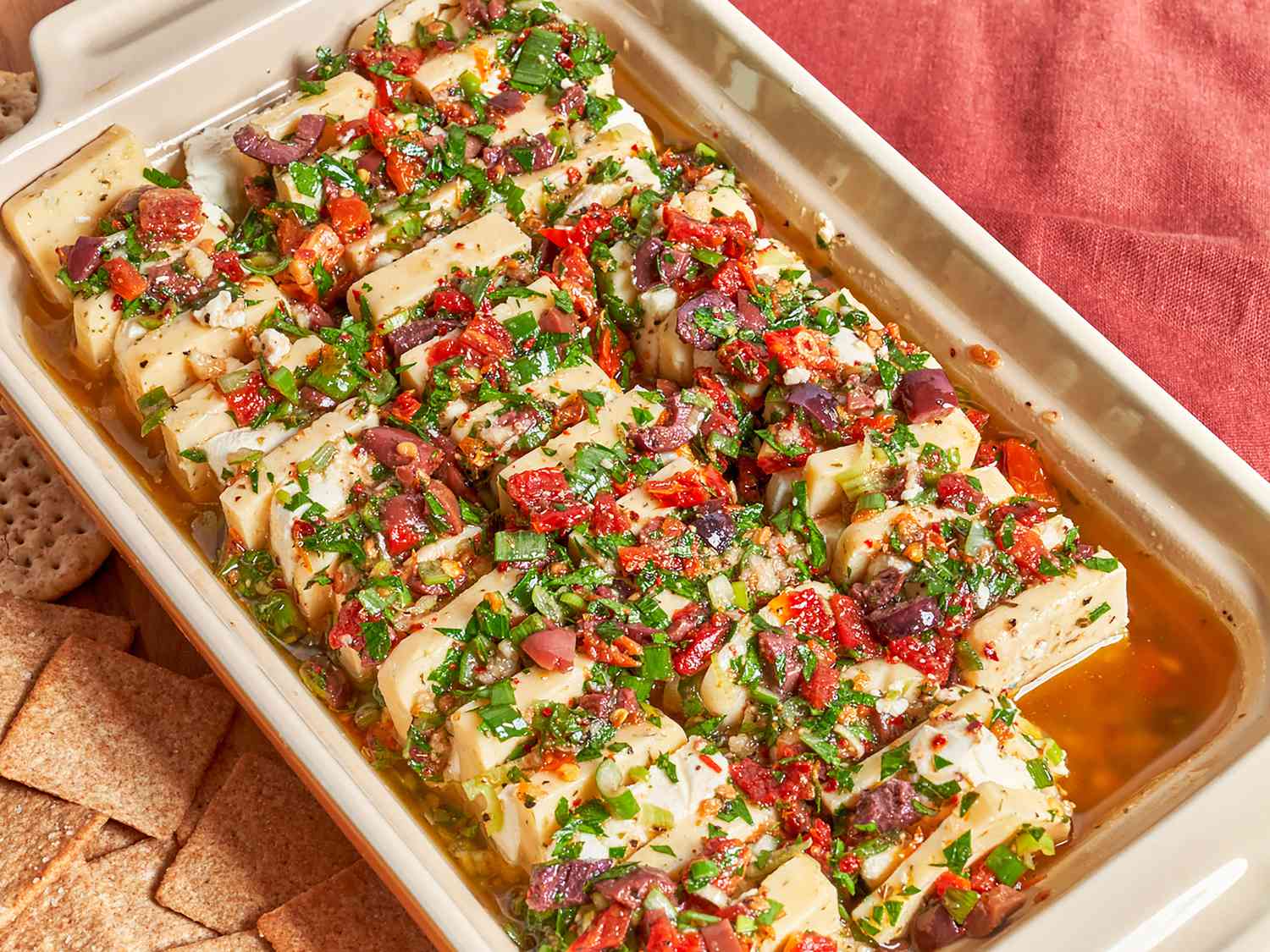
Mediterranean meals have a way of making everyday eating feel both comforting and fresh. They bring together colourful vegetables, fragrant herbs, olive oil, grains, beans, fish, and simple seasonings in a way that feels natural rather than forced. Instead of relying on heavy processing or complicated methods, these meals are built around ingredients that speak for themselves. That is part of their lasting appeal. They feel generous, balanced, and satisfying without needing to be overly rich.
Why these meals remain so popular
One of the reasons Mediterranean-inspired food continues to attract so much attention is that it offers variety without losing its identity. A single table might include grilled fish, roasted peppers, warm bread, lentil salad, olives, yogurt, and citrus. Each element is simple, yet together they create something memorable. This style of eating works just as well for a quick weekday dinner as it does for a slow family lunch.
There is also a practical side to it. Many Mediterranean-style dishes can be made from affordable staples already found in the kitchen. Chickpeas, tomatoes, onions, garlic, rice, pasta, couscous, and seasonal vegetables can all become the foundation of a meal that tastes bright and nourishing. You do not need rare ingredients or restaurant-level skill to bring this kind of food into your routine.
The ingredients that shape the flavour
At the heart of many Mediterranean meals is a reliance on ingredients that bring depth naturally. Olive oil adds richness and smoothness. Lemon sharpens everything it touches. Garlic, oregano, parsley, basil, dill, cumin, and paprika create layers of flavour without making a dish feel too heavy. Tomatoes, aubergines, courgettes, peppers, beans, and leafy greens offer texture and colour while helping meals feel substantial.
Protein choices are often flexible too. Fish and seafood are common, but chicken, eggs, lentils, and beans also play an important role. This means the same approach can suit many households and budgets. A tray of roasted vegetables with herbs and feta can be every bit as satisfying as a more elaborate meat-based dish.
Easy ways to bring Mediterranean style into daily life
The easiest way to make these meals part of everyday eating is to think in combinations rather than strict recipes. Start with one protein, add one grain or starch, then include two or three vegetables and finish with herbs, olive oil, or a simple dressing. For example, grilled chicken with couscous, cucumber, tomatoes, and mint becomes a complete meal with very little effort. Roasted salmon with potatoes, green beans, and lemon does the same.
This approach also helps reduce decision fatigue. Instead of wondering what to cook from scratch every evening, you can keep a small list of interchangeable ingredients ready to use. Cook a batch of grains in advance, roast a tray of vegetables, keep hummus or yogurt in the fridge, and have tins of beans on hand. From there, lunches and dinners become far easier to assemble.
In many homes, interest in Mediterranean diet recipes has grown because they offer a realistic way to eat well without making food feel restrictive or dull.
Meal ideas that suit different times of day
Breakfast can be simple and still fit beautifully with this style of eating. Greek yogurt with fruit, nuts, and seeds is quick and satisfying. Eggs with tomatoes and herbs on toast create a warmer option. Even a small plate of cheese, cucumber, olives, and bread can feel refreshing compared with sweeter, more processed choices.
Lunch often works best when it is light but filling. A chickpea salad with red onion, parsley, cucumber, and olive oil comes together quickly and travels well. Leftover roasted vegetables can be folded into pasta or grain bowls. Soup made with lentils, tomatoes, and herbs is another dependable option, especially when paired with crusty bread.
Dinner is where Mediterranean meals often shine most. Baked white fish with olives and tomatoes, chicken with lemon and herbs, stuffed peppers, vegetable stews, or aubergine dishes all deliver warmth and substance. Sharing-style meals also suit this theme perfectly. A few dishes placed in the middle of the table can create a relaxed atmosphere that feels more like an occasion, even on an ordinary evening.
Why simplicity matters
One of the strongest qualities of Mediterranean meals is that they do not need to be overcomplicated. In fact, simplicity is often the reason they work so well. Good tomatoes, decent olive oil, fresh herbs, and careful seasoning can do more than a long ingredients list. This makes the food feel accessible. It also encourages people to focus on quality, freshness, and enjoyment rather than extremes.
That balance may be the biggest lesson from this style of cooking. Food does not need to be perfect to be worthwhile. It just needs to be flavourful, satisfying, and sustainable enough to fit into real life. A bowl of lentils with herbs and olive oil may not sound dramatic, but when prepared well it delivers exactly what many people are looking for: comfort, nourishment, and ease.
In some lifestyle settings, Mediterranean food is also associated with slower dining, careful hosting, and an appreciation for quality over excess. A thoughtfully prepared meal, a well-set table, and a bottle chosen for the occasion can all contribute to that sense of enjoyment. For people who take a wider interest in food culture, wine investment may also form part of that appreciation, especially where fine wine is seen not only as something to drink, but as something connected to heritage, craftsmanship, and long-term value.
A style of eating that invites people in
Mediterranean meals are not just about ingredients. They are also about atmosphere. They suggest slower meals, shared plates, and food that feels welcoming. Even when eaten alone, they often carry a sense of generosity. A dish piled with roasted vegetables, grains, and a sharp yogurt dressing feels abundant rather than restrictive.
That is why this style of food continues to resonate. It can be adapted to different tastes, budgets, and routines while still keeping its character. Whether someone wants more plant-based options, lighter evening meals, or simply more colour on the plate, Mediterranean-inspired cooking offers a flexible answer. It proves that delicious food does not have to be complicated, and healthy habits do not have to feel like a chore.