
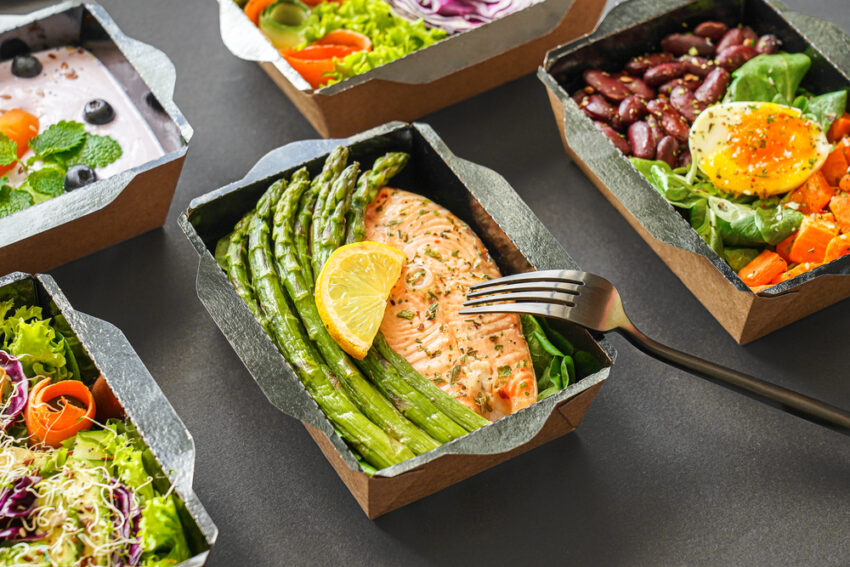
The food industry is in the middle of one of its most important transitions in decades. Consumers, regulators, retailers, and brands are all converging on a shared priority: sustainability. Packaging, once seen as an afterthought, has become central to the conversation. It influences branding, logistics, compliance, consumer perception, and even shelf stability. Today, packaging isn’t merely about holding a product—it’s about telling a story and signaling responsibility.
Rethinking Packaging Through Consumer Behavior
The data shows that sustainability is no longer a niche preference. From family-owned bakeries to multinational beverage companies, businesses are acknowledging that consumers are actively rewarding brands that minimize environmental impact. But sustainability in packaging spans more than just material choice—it includes production methods, recyclability, biodegradability, lifespan, and even after-use models like returnable containers or compostable liners.
Interestingly, younger demographics are leading this shift. Gen Z and Millennial consumers regularly scrutinize packaging labels, ask questions about waste, and seek out companies that eliminate unnecessary plastics. While older generations may still value convenience first, they are increasingly influenced by policy and retail shelf changes that make sustainable packaging more readily available.
The Supply Chain Challenge
Packaging sits at the center of a complex ecosystem. Any adjustments require coordination with suppliers, regulators, logistics providers, and retailers. Moving to compostable, recycled, or plant-derived materials often means reworking manufacturing processes, renegotiating supplier agreements, and revisiting labeling and certifications. Some companies are also adopting circular loops—where containers are washed, refilled, and redistributed—but these depend heavily on geographic density and infrastructure.
Despite the challenges, innovation is accelerating. Major retail chains across Europe have introduced refill aisles for dry goods and liquids, while cafés and takeaway restaurants now incentivize branded reusable containers. Online grocery delivery invites new experimentation as well: fewer touch points and more controlled logistics allow for bulk units and recyclable cold-pack systems that were not feasible in traditional retail.
Where Regulation Is Pushing the Market
Governments are playing a decisive role in shaping packaging behavior. Extended Producer Responsibility (EPR) schemes, single-use bans, landfill taxes, and labelling reforms are forcing brands to re-evaluate material choice and lifecycle impact. Critics argue that compliance adds cost, especially for smaller producers. However, the long-term economic argument centers on system-wide savings—reduced landfill burden, greater recycling efficiency, and lower environmental remediation expenses.
Europe remains one of the most aggressive regulatory regions, but similar momentum is now visible in the U.S., Canada, and Australia. The trendline is unmistakable: packaging practices that fail to account for environmental consequences are becoming increasingly expensive—financially and reputationally.
The Innovation Pipeline
While consumers often see compostable takeaway trays or cardboard drink holders, innovation extends far beyond visual substitutes. Agricultural by-products, algae-derived films, mushroom-based foams, cellulose coatings, seaweed capsules, and even edible wrappers are being explored. Not all prototypes will scale, but the experimentation reflects a broader shift toward new material science.
One of the more promising developments is the move toward mono-material packaging—where a single recyclable material replaces multilayered composites that are notoriously difficult to separate in recycling facilities. Mono-material flexible pouches, trays, and films are gaining adoption in retail snack products, pet foods, and frozen foods.
A Practical Example for Businesses
Businesses seeking an accessible starting point may consider a phased approach. First, assess volume, cost, and lifecycle impact across current packaging units. Next, evaluate switching high-volume units to recycled-content or compostable alternatives. Finally, introduce consumer education—messaging directly on packaging and digital storefronts reduces confusion and increases proper disposal compliance.
In one area of this transition, companies have also begun adopting eco friendly food packaging as part of their branding and consumer experience strategy. For many, the choice is not only ethical but also commercially beneficial, reinforcing positive brand perception in increasingly competitive food categories.
Media Coverage Reflects the Trend
Mainstream media outlets are devoting more space to the transformation of food packaging. Major newspapers report on regulatory battles, consumer behavior studies, and the environmental impact of plastics. Tech and design publishers highlight material innovation and the engineering challenges behind compostable products. Business news portals discuss how large chains are using sustainable packaging to differentiate themselves.
Recent stories reflect both realism and optimism: progress is being made, yet more infrastructure and innovation will be required to meet global sustainability goals.


